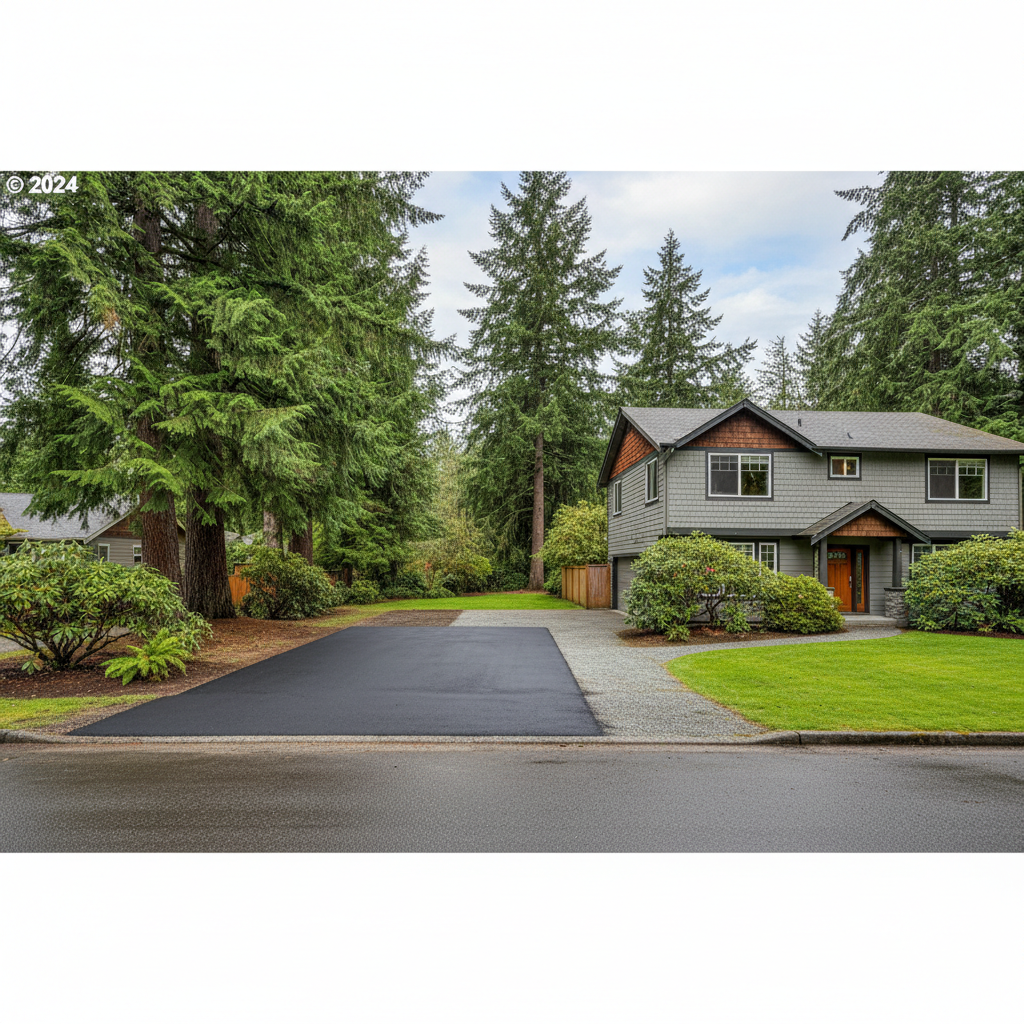
So, you've got a crack, maybe a pothole, or maybe a section of your asphalt driveway or parking lot is just crumbling away. You know it needs fixing, but what exactly are you asking for when you call someone about 'asphalt patching'?
Here in Woodinville, especially with our wet winters and the clay soils common in places like Hollywood Hill or even down by the river, a simple patch often isn't enough. It's not just about throwing some hot mix in a hole and calling it good. That's a temporary fix, a band-aid really, and frankly, it's a waste of your money if it can't handle our weather cycles.
Understanding Why the Damage Happens
Before any patching starts, I always try to figure out why the asphalt failed in the first place. Was it just old age? Or was something else going on? Here are some common culprits I see around Woodinville:
- Water Intrusion: This is the big one, no doubt about it. Our constant rain finds its way into tiny cracks. Once water gets under your asphalt, it starts eating away at the base layer. Then, when it freezes and thaws (even if it's just a few cycles a year), that water expands, pushing up the asphalt and creating bigger cracks or potholes.
- Poor Drainage: If water isn't draining properly off your driveway or parking lot, it's going to sit there. That standing water softens the asphalt and the base, making it much more likely to get damaged by vehicles.
- Heavy Loads: You might have a residential driveway, but if delivery trucks, RVs, or heavy construction vehicles are regularly driving over it, that's a lot of stress. Your asphalt might not have been designed for that kind of weight.
- Base Failure: Sometimes, the problem isn't the asphalt itself, but what's underneath it. If the gravel base wasn't properly compacted or if it's been washed out over time, the asphalt above it loses its support and starts to crack or sink.
For example, I've seen plenty of driveways in the older, more established neighborhoods near downtown Woodinville that were put in decades ago. The original base might have been fine for the cars of the 70s, but with today's heavier SUVs and trucks, those older bases just can't handle it, leading to more frequent patching needs. It's a real shame, too, because those old driveways often have so much character.
What a Proper Patching Job Looks Like
When we talk about patching at Top Notch Asphalt, we're not just filling holes. We're aiming for a repair that lasts. Here’s what that usually involves:
- Cutting Out the Damaged Area: You can't just patch over bad asphalt. We cut out the damaged section in a neat, rectangular shape. This gives us clean edges to work with and removes all the compromised material.
- Assessing the Base: Once the old asphalt is out, we look at the base. Is it wet? Is it soft? Does it need more gravel? Sometimes, we'll need to dig deeper, remove saturated material, and add new, compacted aggregate to ensure a solid foundation for the patch. This step is crucial, especially in our region where water is such a factor.
- Applying Tack Coat: This is a sticky asphalt emulsion that helps the new asphalt bond to the old asphalt. It's like glue, making sure your patch doesn't just pop out a few months later.
- Laying and Compacting New Asphalt: We fill the area with fresh, hot asphalt mix. Then, we compact it thoroughly with specialized equipment. Proper compaction is key to durability and ensuring the patch is level with the surrounding pavement.
- Sealing the Edges: Sometimes, we'll seal the edges of the patch to prevent water from seeping into the seams. It's another layer of protection against our wet climate.
Why Local Expertise Matters for Patching
You can call any paving company, sure, but a local one like Top Notch Asphalt knows Woodinville. We know the soil types, the common drainage issues, and how our specific weather patterns affect asphalt. We've worked on everything from residential driveways in Bear Creek to commercial parking lots off 175th Street. We've seen what works and what doesn't hold up here.
When you're dealing with asphalt repairs, you want someone who understands the unique challenges of our area. Someone who can recommend the right solution, not just the cheapest or fastest one. Because in the long run, a proper, well-executed patch saves you money and headaches by preventing the same problem from popping up again next season.